First Nations material and information accessed on this site may be culturally sensitive for some individuals and communities.
The material displayed contains Aboriginal and Torres Strait Islander content and has been made available in accordance with State Library of Queensland’s Aboriginal and Torres Strait Islander Collections Commitments.
About birth, death and marriage records
Birth, death and marriage records are the links you need to form your story, helping you connect one branch of your family to another.
Working backwards from yourself, you should think of all the family names you know, the year your family members were born, married or died and where they were from. These can be keys for your search. Even knowing just one can be a great starting point.
Types of records
There are two main types of birth, death and marriage records:
- Government records, which are also called civil registrations, and
- Parish registers, which are church records.
It is important to note that information about First Nations people may have been recorded differently.
Protection and welfare boards often recorded births, deaths and marriages of people who were defined as ‘Aborigines’ and ‘supervised’ by the board.
Birth certificates
- child’s name
- date of birth
- place of birth
- sex
- father’s name, occupation and age
- mother’s name, maiden name and age
- other children of the union
- place of residence
- registration number
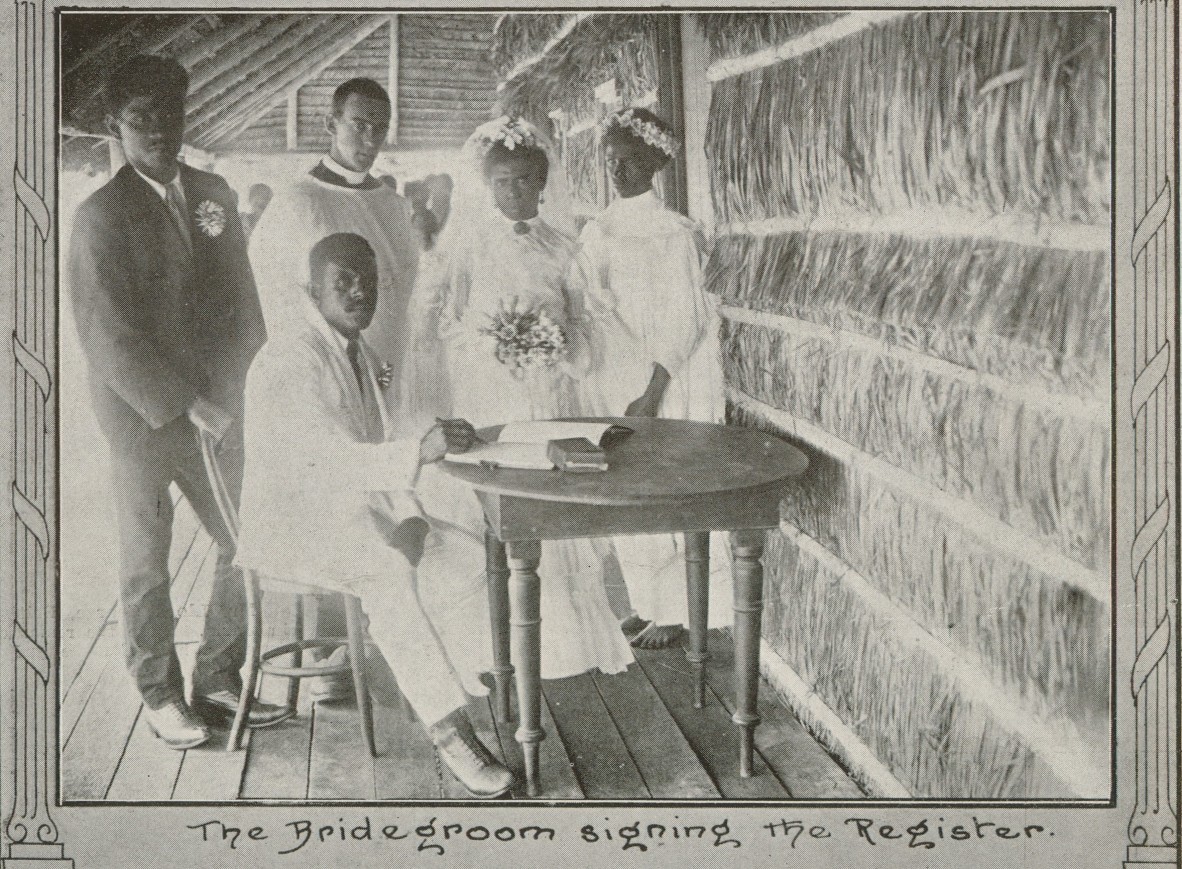
Marriage certificates
- names of bride and groom
- bride's maiden name or former name
- occupations
- usual place of residence
- where born
- previous marriages
- parents' names
- registration number
Death certificates
- name of deceased
- sex
- date of death
- cause of death
- place of death
- age
- occupation
- residence
- place of birth
Searching for birth, death and marriage records in Queensland
You can search the online indexes at the Queensland Registry of Births, Deaths and Marriages for records dating back to 1829. You can then use the registration number to purchase copies of historical certificates online.
These indexes are searchable from 1829 for the following periods:
- Births up to 100 years ago
- Marriages up to 75 years ago
- Deaths up to 30 years ago
Compulsory registration of births, deaths and marriages began in 1856 when Queensland was part of New South Wales. However, Aboriginal and Torres Strait Islander births, deaths and marriages were not consistently registered in Queensland until the 1940s.
Many First Nations people worked on pastoral stations, and events may have been recorded in station papers and diaries rather than in official registrations. Sadly, many of these records have not survived, because most stations were privately owned, and preservation of documents relied on the individual owners.
Births were not always recorded and are the least reliable type of record. If a child was born on a pastoral station, it often depended on the station manager reporting the birth. Births of Aboriginal children were often not registered in order to protect them from removal policies.
Marriage registrations are more reliable because the information was provided by the people themselves. Prior to World War One, marriages might be found in church records. Aboriginal people could seek permission to marry, and the marriage would then be recorded. Marriage records are difficult to find if the marriage was not legal or official.
Deaths had to be recorded, but the name recorded may vary or be unreliable (such as anglicised or Aboriginal names), making it hard to find the name. The information also relied on the family providing the correct information.
Papua New Guinea
Enquiries about births, deaths and marriages can be made High Commission of the Independent State of Papua New Guinea.
If you have not been able to find a certificate of birth, death or marriage, you could try:
Discover what other types of records you can use to research your family.
Did you know newspapers can help you learn more about your family? Learn where to access newspapers online and at State Library.